
Speakers & Conference Program
Scientific Program
Keynote Speakers

Professor Meredith A. Whitley
(Adelphi University, US)
Meredith A. Whitley is a Professor at Adelphi University in New York, and a Research Fellow at the Centre for Sport Leadership at Stellenbosch University in South Africa. Her research explores the complex and multi-faceted roles of sport in young people’s lives, along with the interrelated systems impacting youth and community development. She recently served on the President’s Council on Sports, Fitness, & Nutrition Science Board and is currently leading the development of Mental Health Guidelines for Youth Sport across the United States.
Keynote Title: More than a Game: Cultivating Inclusive and Healing Spaces in Youth Sport
Dr Göran Kenttä
(Swedish School of Sport and Health Sciences, SE)
Dr Göran Kenttä holds a split position between academia (Swedish School of Sport and Health Sciences, in Stockholm) and professional practice (The Swedish Sports Confederation). Dr Kenttä also holds an adjunct professorship at Ottawa University, and his applied research and professional practice have focused for 25 years on mental health and performance within the elite sports context with mindfulness, acceptance, and compassion-based approaches. This work was acknowledged by receiving the Distinguished Professional Practice Award by the Association for Applied Sport Psychology in 2022.
Keynote Title: Is it Possible to Feel Safe and Free to be Vulnerable in a High-Performance Context?
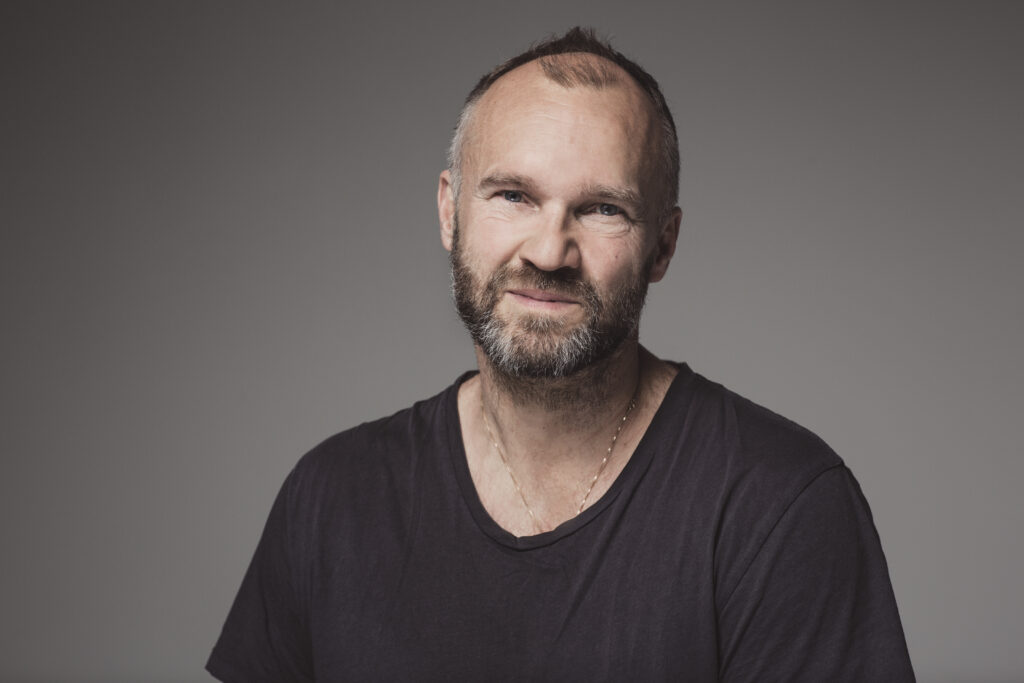
Emerging Keynote Speaker

A/Professor Erin Hoare
(University of New England & Manna Institute, AUS)
Erin is Associate Professor of Mental Health, Strategic Program Lead at Manna Institute – a collaborative initiative across 7 Australian universities focused on place-based and co-design mental health research. Her research focuses on equity and inclusion in sport and specifically how mental health and wellbeing can be enhanced. She is a psychologist and a recently retired professional athlete having spent 10 years as an athlete across two national codes, where she competed in Australian Rules Football and netball. Erin led the first neurodiversity focused paper for elite sport, in response to growing understanding of ADHD and autism being highly relevant to athlete populations, and elite sport a natural setting in which such differences can thrive. Erin serves on a number of advisory boards and committees relating to equity and inclusion at State and National level. She lives and works on Wadawurrung Country, Geelong Australia and is committed to community initiated, meaningful and impactful research.
Emerging Keynote Title: Neurodiversify Sport and Everybody Wins
Workshop

Equity, Diversity, and Inclusion in Sport Under Attack
Meet your workshop facilitators:
A/Professor Paul Gorczynski is a registered practitioner psychologist and works as an associate professor at the University of Greenwich. He is an internationally recognised expert in mental health and equity, diversity, and inclusion in sport. He consults, teaches, and conducts research on enhancing mental health literacy and ensuring individuals can access, understand, and use information to improve their mental health. Paul serves on the IOC Mental Health Consensus Expert Panel.
Dr Peter Olusoga is a BPS Chartered Psychologist and Senior Lecturer in Psychology at Sheffield Hallam University, UK. His current work focuses on burnout, well-being, and creating sustainability in high-performance environments. He is an internationally recognised researcher in sport psychology and has been an invited speaker, panellist, and host, at numerous sport, mental health, and well-being events, festivals, and international conferences. Peter focuses on the importance of organisational and cultural change for sustainable well-being, in addition to inclusive, evidence-based strategies that allow individuals to truly thrive.
Equity, diversity, and inclusivity (EDI) are essential principles within mental health research. Aspects of EDI are linked to sound demographic data capture, essential explorations of descriptive and analytic epidemiological practice, intervention design, and resource allocation. Recognising aspects of EDI is a basic ethical requirement of conducting research with people. Ultimately, researchers and practitioners want to work in fair ways, recognise important differences, and promote integration and inclusion.
Recently, discussions of EDI have received a great deal of negative media coverage. News from the United States linked to the new administration has documented how universities have had funding for research projects that touch upon topics of EDI paused or pulled entirely. Such actions have affected other countries. For example, universities in Australia, Canada, and the UK have been directly affected by such funding decisions. EDI is under attack! Although this recent political climate is worrying and problematic, and may have an impact on future research conduct, mental health researchers in sport have not entirely embraced aspects of EDI. To date, researchers in this sector have focused on, to a large degree, athletes who come from high-income countries, are male, and live without disabilities. Such decisions have had consequences on not only our mental health knowledge and research conduct to date, but also how we structure interventions, be they preventative or forms of treatment. So, how do we move forward with a greater focus on EDI?
This interactive workshop will explore:
- Definitions of equity, diversity, and inclusion
- DEI in relation to epidemiological practice within mental health research in sport
- Global research patterns in mental health and elite sport
- Self-reflection strategies to examine current research and practice
- Future approaches to research and intervention design